

Zinc in the Diet: How It Supports Immunity, Growth & Healing
, by "Sarah Faneh", 6 min reading time
, by "Sarah Faneh", 6 min reading time
Zinc is a vital mineral your body depends on for immunity, growth, and healing. Learn how zinc supports your health, recognize deficiency signs, and discover the best food sources and safe intake tips to keep your body strong and resilient.
Zinc is a small mineral with a big impact on your health. From supporting your immune system to promoting growth and healing, zinc in the diet is essential for your body’s well-being. But why is zinc so important, and how can you ensure you get enough? This article unpacks the roles zinc plays, signs of deficiency, safe intake levels, and the best food sources to keep you healthy and strong.
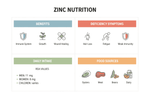
Zinc is an essential mineral that your body cannot produce on its own, meaning it must be obtained through your diet or supplements. It plays a critical role in protein synthesis, cell division, and growth, helping your body repair tissues and maintain normal development. Beyond growth, zinc supports your immune system function by activating key cells and enzymes. Zinc also accelerates wound healing by supporting cell regeneration and reducing inflammation. These vital roles make zinc indispensable for overall health and recovery.
Zinc directly boosts your immune system by enhancing T cell and macrophage activity, which are frontline defenders against infections. Even mild or moderate zinc deficiency weakens immune responses, increasing susceptibility to infections such as the common cold and pneumonia. Maintaining adequate zinc levels is crucial for immune system strength, helping your body fight off illness more effectively and reduce the risk of increased infections.
Studies show that zinc lozenges, especially those containing zinc acetate or gluconate, may shorten the duration of the common cold if taken within 24 hours of symptom onset. However, zinc nasal sprays have been linked to risks like loss of smell (anosmia) and should be used cautiously. While zinc for colds can offer some relief, focusing on zinc in the diet first ensures safer, long-term immune support.

Common signs of zinc deficiency include hair loss, slow wound healing, skin irritation, and increased infections. Groups at higher risk include strict vegetarians due to lower zinc bioavailability from plant sources, pregnant women with increased needs, older adults prone to marginal zinc status, and individuals with digestive diseases such as Crohn's disease that impair absorption. Zinc deficiency can impair normal growth and weaken immune system function. In such cases, a healthcare provider might recommend a blood test to assess zinc levels.
Zinc supports normal growth, especially crucial during childhood and pregnancy, by aiding protein synthesis and cell division required for tissue development. Its role in wound healing is vital, helping skin repair quickly and efficiently. Without sufficient zinc, growth delays and slow wound recovery may occur, affecting overall wellbeing and the body’s ability to bounce back from injury.
The Recommended Dietary Allowance (RDA) for zinc varies by age, sex, and life stage, with adult men needing about 11 mg daily and women about 8 mg, increasing during pregnancy and lactation. The tolerable upper intake level (UL) is set at 40 mg daily for adults to avoid toxicity. You may ask, "Why should you not take zinc every day?" Regular excessive intake can cause nausea, copper imbalance, and immune suppression. It's important to consult a health care provider before starting zinc supplements to ensure safety.
Rich food sources of zinc include oysters, beef, shellfish, beans, cheese, and yogurt. Animal-based foods generally provide zinc in a more bioavailable form compared to plant sources, meaning your body absorbs it better. Vegetarians and vegans should be mindful to consume a variety of zinc-rich plant foods and consider supplementation if needed. Eating a balanced diet with diverse zinc sources helps maintain healthy zinc levels naturally.
Common zinc supplements include gluconate, citrate, picolinate, acetate, and oxide. Zinc gluconate and acetate are often used in lozenges aimed at alleviating cold symptoms. Zinc citrate and picolinate supplements offer good absorption and are popular for daily use. Zinc oxide is primarily used topically in sunscreen and skin ointments due to its low oral absorption. Choosing the right form depends on your needs and should be guided by your doctor.
Consuming excessive zinc can lead to acute toxicity symptoms such as nausea, vomiting, and stomach pain. Long-term overconsumption risks include disrupting copper and iron metabolism, potentially causing anemia or neurological issues. Excess zinc may also suppress immune function rather than support it. Staying within recommended limits and consulting healthcare providers ensures safe zinc use without these risks.
Older adults often experience marginal zinc status due to reduced absorption and dietary intake, increasing their risk of infections and slow healing. Pregnant and lactating women require higher zinc intake to support fetal growth and milk production. Deficiency in these groups can have serious health impacts, highlighting the importance of monitoring zinc intake and consulting healthcare providers for personalized advice.

Regularly consume zinc-rich foods like shellfish, meat, dairy, and legumes. Cooking methods such as soaking and fermenting beans can improve zinc bioavailability by reducing phytates. Limit excessive zinc supplement use unless recommended by a medical professional. Balanced nutrition remains the cornerstone for supporting immune function, growth, and overall health.
Seek professional advice if you notice symptoms like hair loss, slow healing, or frequent infections, or if you use zinc supplements long-term. Assessing zinc status can be challenging as blood tests have limitations and might not fully reflect body stores. Personalized evaluation helps determine if supplementation is needed. Avoid self-diagnosing or taking zinc supplements without guidance to prevent deficiency or toxicity.
Zinc plays a critical role in supporting your immune system, normal growth, and efficient wound healing. Obtaining adequate zinc mainly through a balanced diet rich in both animal and plant sources ensures lasting health benefits. When supplements are necessary, using them cautiously and under medical supervision prevents potential risks. Prioritize informed zinc intake to maintain your immune strength and overall wellbeing throughout life.
Explore more about hydration and nutrition with refreshing low-sugar options like Gatorade Zero Fruit Punch, Jarritos Lime. For festive tastes, try Delicious Frutifresca Frezquitos Eggnog, or energize your wellness routine with the nutrient-rich Banana - Berry Smoothie. Learn about balanced nutrition and calorie insights through guides like Eat a Balanced Diet: Guide to Better Overall Health 2026 and Why Calories from Food Aren't All Equal. Master understanding food content with Understanding Nutrition Labels: A Step-by-Step Guide, build better habits via How to Build a Weekly Smoothie/Juice Routine for Better Wellness.

Subscribe to our emails